







Discover the Benefits of Architectural 3D Animation Services
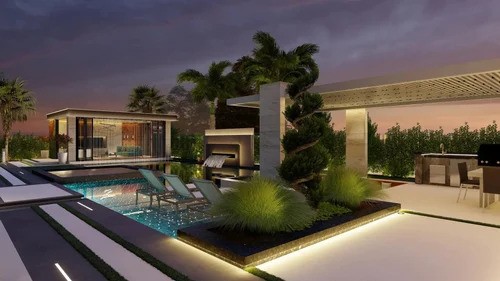
Showcasing a project in the most dynamic way possible isn’t just an advantage—it’s necessary for the real estate and architectural market. In this field, architectural 3D animation services have become progressive, providing an immersive experience that cannot be matched by static photos or plans. But what exactly does this service entail, and how can it benefit your projects? Learn all about architectural animation in detail with this Whimsitoons guide.
What is Architectural 3D Animation?
Architectural 3D animation transforms standard architectural designs into full-fledged, 3D animated videos. By choosing to hire 3D visualization company services, you can bring life to drawings and enable clients and stakeholders to tour their projects virtually long before the first brick is laid.
From the swoop of a camera through a future lobby to the sunset through window panes, every element can be animated to provide a realistic experience.
The Benefits of Using 3D Animation in Architecture
- Enhanced Visualization: Unlike static images, 3D animations create a realistic representation of a space, giving a better sense of scale, texture, and layout.
- Improved Communication: With architectural animation, architects can effectively communicate complex design concepts to non-experts.
- Marketing Advantage: Animated videos, produced by 3D animation services USA, can serve as powerful marketing tools, capturing the imagination of potential buyers or investors.
- Cost Efficiency: While initial costs might be higher, the ability to explore and amend designs early can save substantial money in the long run.
How Architectural 3D Animation Services Work
Understanding the process behind these animations provided by a 3D animation provider can help you better integrate them into your projects. Here’s a simplified rundown:
- Modeling: Everything starts with creating a 3D model of the architectural project.
- Texturing and Lighting: Applying textures and lighting effects adds realism to the model.
- Animation: The real work happens here, as the model is animated to show different aspects and features.
- Rendering is the process of outputting the animation into a video format.
- Post-Production: Adding the final touches like music, voiceovers, and any specific branding required.

Technological Advancements in Architectural Animation
The sector of architectural animation is undergoing swift development, fueled by innovative technological breakthroughs that consistently expand the limits of architectural visualization’s potential. These innovations not only enhance the aesthetic appeal of animations but also improve their accuracy and the efficiency of the creation process. Here’s a closer look at some of the most significant technologies reshaping architectural animation today.
Virtual Reality (VR)
Virtual Reality has transitioned from a novelty to a necessity in architectural animation. By donning a VR headset, clients can step inside a virtual model of their project and experience the space as if they were actually there. This immersive interaction allows for a deeper understanding of a design’s spatial dynamics and aesthetic elements before any actual construction begins. VR also enables architects and designers to conduct virtual tours and iterate design solutions in real time, greatly enhancing client satisfaction and engagement.
Augmented Reality (AR)
Augmented Reality integrates digital information with the natural world in real time, allowing architects to overlay projected designs onto physical spaces. By placing new ideas over the old structure, this technology lets clients visualize a space’s possibilities, which is especially helpful for renovation projects. AR can be accessed via smartphones or tablets, making it a versatile tool for on-site presentations and discussions.
3D Printing Integration
3D printing technology has found a unique niche in architectural animation by allowing the physical visibility of parts of the animated model. Architects can now create scale models of complex structures quickly and with high detail directly from their 3D animations. These models can be utilized in stakeholder meetings, client presentations, and zoning and planning approval procedures. The ability to touch and feel a physical model of the project can significantly enhance comprehension and approval rates.
Real-time Rendering
The advent of real-time rendering engines has dramatically decreased the time it takes to produce photorealistic animations. This technology allows designers and clients to see changes instantly, facilitating a collaborative and iterative design process. Real-time rendering speeds up the animation process and enhances the flexibility to experiment with different design options, lighting scenarios, and material finishes without the lengthy waits traditionally associated with high-quality renders.
AI and Machine Learning
Artificial intelligence (AI) and machine learning are beginning to play significant roles in architectural animation. These technologies automate routine tasks, such as generating realistic textures and optimizing light settings, which can drastically reduce the time and effort required to create animations. Moreover, AI algorithms can analyze historical data and user preferences to suggest design modifications and enhancements, thereby supporting architects in making data-driven decisions.
The Role of 3D Animation in Modern Architecture
Table 1: Comparing Traditional vs. 3D Animated Architectural Presentations
| Feature | Traditional Methods | 3D Animated Presentations |
| Visual Impact | Limited | High |
| Engagement Level | Moderate | Very High |
| Flexibility in Viewing Angles | Fixed | Dynamic |
| Ability to Showcase Dynamics | No | Yes |
| Client’s Ease of Understanding | Moderate | Excellent |
As evident from the table, the dynamic capabilities of 3D animated presentations significantly outweigh traditional methods.
Integrating 3D Animations into Client Presentations
Incorporating 3D animations into client presentations isn’t just about showing off technological prowess—it’s about making a lasting impression. Here are a few tips on how to effectively use 3D animations:
- Start with a Story: Every animation should have a narrative, from unveiling the exterior to exploring interior spaces.
- Focus on Key Features: Highlight the unique aspects of your project that make it stand out.
- Use High-Quality Renders: Quality can make or break your animation, so ensure high-resolution outputs.
- Keep It Short and Engaging: Aim for a length that holds attention without losing interest—typically a few minutes.
Cost Considerations
One common question often arises is, “how much do animations cost?” The price can vary widely depending on the complexity of the animation, the length of the video, and the detail required. Generally, a fundamental 3D architectural animation price can start from a few thousand dollars and increase as you add more information and features.
Choosing the Right Architectural 3D Animation Company
Selecting the right architectural 3D animation companies is crucial for your project’s success. Consider these factors:
- Portfolio: Ensure the company’s style matches your vision.
- Client Reviews: Look for reliability and satisfaction.
- Technical Expertise: Check if they use advanced technologies like VR, AR, and real-time rendering.
- Timeline and Budget: Confirm their ability to meet deadlines and offer flexibility.
- Collaboration: Choose a team that communicates well and understands your needs.
- Experience: Prefer companies with architecture or real estate industry experience.
This approach will help ensure quality results for your presentations.
Conclusion
Architectural 3D animation services have transformed how architects and developers present projects, enhancing visualization and communication to align all parties with the project’s vision. Technological innovations like VR, AR, and real-time rendering have made these animations more immersive and interactive, allowing for real-time design modifications. 3D printing and AI integration have streamlined production, reducing costs and improving efficiency in a competitive market. Beyond mere presentation, these animations are vital marketing tools, enhancing project salability through detailed, realistic portrayals. As technology evolves, the role of architectural 3D animations continues to expand, proving indispensable in planning, presenting, and marketing within the architecture and real estate sectors.