







When Does the Animation in One Piece Change?
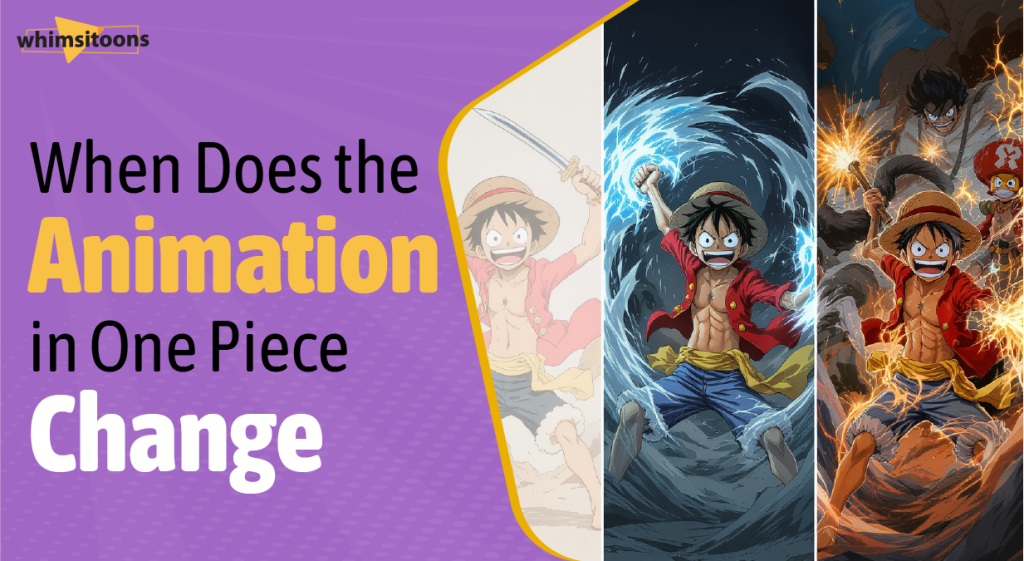
The weekly wait feels different, the frames seem uneven, and Luffy’s punch lacks its old impact. For devoted fans, One Piece’s magic lies not just in story but in consistent, high-quality animation.
Research found that animated movement directly influences attention and emotional connection. Even small visual shifts can break immersion in a long-running show like this.
As Norman McLaren Said,
“Animation is not the art of drawings that move, but the art of movements that are drawn.”
When the fluidity changes in One Piece, you FEEL it.
From the early arcs to the high-definition battles, the shifts in art style can either draw you in or leave you detached.
Ready to find out exactly when does the animation in One Piece changes, why it happens, and what it means for your viewing experience?
Let’s dive into the transformation of this anime classic.
Key Takeaways
|
What is the Importance of Animation Quality in an Ongoing Series
When it comes to anime, fans invest not only their time but also their emotions in the characters and the worlds they follow week after week.
One Piece is no exception, and as the episodes continue to roll out, animation quality becomes a major topic of discussion.
After all, it’s the animation that brings the story to life and makes us feel like we’re right there with Luffy and his crew as they chase their dreams across the Grand Line.
So, why does the animation in One Piece sometimes change, and how does it impact the overall viewing experience of this long-running series?
What are the Challenges of Maintaining Animation Quality Over Time
There are many different types of animation that should be clarified. 2D character animation services are commonly used in anime, while 3D character animation services are often seen in films and modern projects.
In long-running series like One Piece, maintaining top-notch animation quality throughout hundreds of episodes is as difficult as making it across the Grand Line itself. As an anime continues, several factors can affect consistency.
Firstly, tight production schedules can be a major issue. The demand for new episodes often forces a fast-paced process, giving animators limited time to refine their work.
The availability of skilled animators also varies; sometimes, less experienced teams handle certain episodes, creating noticeable variations in art style and motion fluidity.
These production realities contribute to when does the animation in One Piece changes, the moments when fans notice shifts in animation improvement or temporary dips in quality.
Production Process of Anime Episodes
To understand why animation change occurs, it’s worth looking at the production studio process.
An anime episode typically goes through stages like storyboarding, key animation, and in-between animation. Each stage involves different artists and teams.
Storyboarding defines visual direction, key animators draw critical motion frames, and in-between animators fill in the gaps.
Coordinating these stages efficiently determines the final quality of each episode. Tight timelines often force teams to lean on in-between animation, which can create inconsistencies.
Still, the effort behind every episode is immense, and even with these challenges, the One Piece animation team delivers a magical and emotionally engaging experience week after week.

Early Animation in One Piece
Animation Quality in the Early Episodes
When we look back at the early One Piece episodes, they hold a special nostalgic charm. These first adventures with Monkey D. Luffy and his crew introduced fans to a vivid world of pirates and dreams.
The early episodes had a distinct art style directly influenced by Eiichiro Oda’s manga. Character designs were simpler, and though not as polished as newer series, the animation quality had an energetic, hand-drawn feel, like watching manga panels come alive.
Studio Responsible for the Initial Seasons
The studio responsible for bringing these early episodes to life was Toei Animation, a legendary production studio in the anime industry.
Their talented teams handled the massive task of adapting Oda’s work into animation.
Even if the early visuals weren’t as refined as later arcs, Toei’s consistency and charm defined the series’ foundation, marking the first stage of when did the animation style change in One Piece.
Real-World Case Study:
|
In a 2004 interview, Shinji Shimizu (producer of the series at Toei Animation) noted that the studio aimed to “get close to the manga style” and was aware from the start of the importance of global appeal and animation consistency. |
The Transition Period
When Does The Animation In One Piece Change?
Every adventure evolves, and One Piece is no exception. Much time after its first release, the post-time-skip One Piece animation began to undergo noticeable changes.
This transition period was a turning point, the anime adopted a widescreen format and began airing in HD broadcast, bringing sharper visuals and a more cinematic presentation that fans immediately noticed.
Key Technological Milestones in One Piece Animation
|
Year |
Innovation |
Impact |
|
2006 |
Digital coloring |
Improved brightness and clarity |
|
2008 |
Transition to widescreen |
More cinematic composition |
|
2011 |
HD broadcast adoption |
Sharper detail and line work |
|
2016 |
CGI blending in arcs |
Enhanced world depth |
|
2019 |
New rendering engine |
Polished Wano Arc visuals |
Factors Contributing to When Does The Animation In One Piece Change
Several factors contributed to this evolution. One of the biggest was the pressure of tight production deadlines as Toei Animation worked to meet fan demand.
Another factor was adapting to modern animation improvement standards.
As technology and viewer expectations grew, the anime underwent a significant visual overhaul to stay competitive and relevant.
The introduction of new directors and animation supervisors also added variety in visual tone.
While this sometimes caused inconsistency, it also injected creative diversity that kept One Piece’s art style shifts when fresh and engaging.
Studios and Directors Behind the Changes
The evolution of animation in One Piece wasn’t the result of one person or studio, it was a collaboration across generations of artists.
Toei Animation, as the primary production studio, established the core look and feel of the show.
Later, studios like Madhouse contributed to films such as “Strong World,” giving fans glimpses of higher-quality animation and more dynamic sequences.
Toei’s long-term commitment ensured storytelling consistency, while their partnerships with global streaming in the USA platforms helped expand the anime’s reach.
This allowed international viewers to appreciate the improvements and changes through the high-quality streaming service in the US releases.
Fan Reactions and Criticisms
Anime fans are vocal and passionate, and the One Piece community is no exception.
Some long-time viewers expressed disappointment during transitional phases, noticing less detailed character designs or uneven frame rates.
However, many others embraced the evolution, recognizing the challenges of maintaining a TV anime that’s aired continuously for decades.
Fans appreciated the fresh direction and the gradual animation improvement that made the show feel modern while retaining its heart.
Notable Animation Milestones
Throughout its long history, One Piece has featured arcs with exceptional animation quality that set benchmarks in anime production.
The Marineford War arc was one such milestone, combining breathtaking action, emotional storytelling, and powerful visual direction.
Following that, the Fishman Island Saga introduced cleaner digital lines and vibrant colors that gave new life to underwater scenes.
Later, the Wano Arc brought a stylized, cinematic touch with bold colors, detailed lighting, and choreographed fight scenes, often considered among the best visuals in Toei Animation’s history.
These milestones demonstrated how animation changes and innovation could enhance storytelling, helping the anime maintain cultural relevance.

Current Animation Quality
Today, One Piece continues to deliver engaging, high-quality episodes with smooth motion and refined visuals.
The current animation quality feels immersive, blending traditional art with digital enhancements.
With the release of the One Piece Blu-ray new animation era and improved One Piece streaming animation quality, fans around the world can enjoy crisp visuals and consistent HD experiences.
Major streaming service in the US platforms showcase the anime in its best form yet.
Comparing the current animation improvement to earlier seasons, it’s clear that technological progress and artistic innovation have elevated the show.
Yet, One Piece remains faithful to Oda’s original designs, preserving the charm that defines its unique art style.
Future of One Piece Animation
The future of One Piece’s animation looks promising, with smoother motion, enhanced 3D effects, and detailed environments that push Toei Animation’s capabilities.
As the team responds to audience feedback and new software advances, fans can expect refined visuals, new techniques, and even more dramatic animation improvement.
-
Animation Technology Upgrades
As technology evolves, One Piece benefits from advanced rendering engines, smoother frame transitions, and precise motion tracking.
Future episodes may feature enhanced 3D tools supporting richer world-building, dynamic effects, and more lifelike movement, all while preserving the traditional anime feel at the heart of the series.
-
Cinematic Visual Enhancements
One Piece continues to embrace bold lighting, refined shading, and dramatic camera work.
With each arc, visual direction becomes more cinematic, delivering sharper backgrounds, expressive color palettes, and movie-level fight choreography that immerses fans in the Straw Hats’ journey.
-
Hybrid 2D & CGI Evolution
The anime’s gradual shift toward blending 2D and CGI adds depth to battles, environments, and character motion.
Hybrid animation allows smoother dynamic angles and large-scale action sequences without losing the hand-drawn charm that defines One Piece’s iconic aesthetic.
-
Global Streaming & Distribution Growth
With global streaming partnerships expanding, One Piece reaches fans faster than ever in HD and 4K quality.
Improved worldwide distribution ensures consistent animation standards across regions, letting audiences experience every punch, tear, and triumph in the best format possible.
-
Creative Team & Fan Influence
Toei Animation actively adapts based on fan reaction, evolving its style while adding new directors and creative voices.
This constant refinement keeps the animation fresh and aligned with modern expectations, balancing innovation and fan-driven feedback to shape future episodes.
-
Staying True to Oda’s Vision
Even as technology progresses, One Piece maintains Eiichiro Oda’s signature art style and emotional storytelling.
Every animation upgrade honors the original sketches, character expressions, and adventurous spirit, ensuring the series evolves without losing the heart that made it legendary.
Conclusion
One Piece remains a timeless adventure, developing in both story and visuals to match changing technology and fan expectations.
From its early hand-drawn roots to the widescreen format and HD broadcast era, Toei Animation has refined the series while preserving its emotional core and iconic art style.
Today, fans enjoy stunning visuals through the One Piece Blu-ray new animation era and streaming service in the US, highlighting how dramatically the series has advanced.
Despite production challenges, every saga, from the Fishman Island Saga to the Wano Arc, showcases dedication, creativity, and innovation.
For long-time viewers wondering when does the animation in one piece change, the answer lies in these intentional shifts driven by evolving tools, artistic vision, and audience demand.
Through each visual overhaul and animation improvement, One Piece continues to hold onto the spirit of adventure and heartfelt emotion that made it legendary, proving that growth and tradition can coexist beautifully on the Grand Line.